This Honey Lemon Vinaigrette is a bright, tangy, and slightly sweet dressing that enhances any salad. Made with simple pantry staples, it comes together in minutes and tastes far better than anything store-bought. The combination of fresh lemon juice, honey, and Dijon mustard creates a perfectly balanced flavor, while olive oil gives it a smooth and luxurious texture.
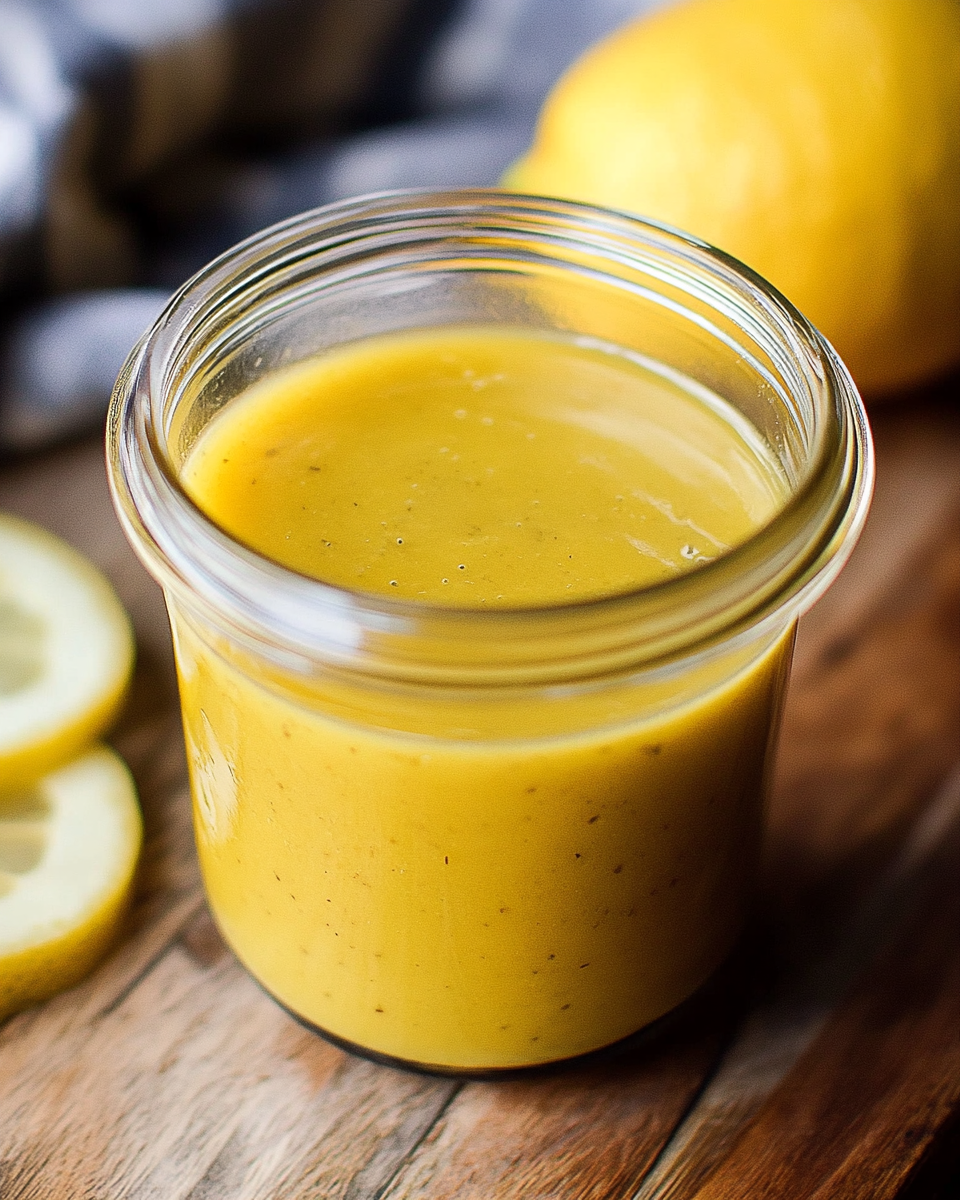
Beyond salads, this vinaigrette works wonderfully as a marinade for grilled meats or a drizzle over roasted vegetables. Whether you’re meal-prepping or making a quick weeknight meal, this dressing adds a fresh, zesty touch to every dish.
Why You’ll Love This Recipe
- Quick and easy: Ready in under 15 minutes with no special equipment required.
- Healthy and fresh: No preservatives or artificial ingredients.
- Versatile: Works as a dressing, marinade, or dipping sauce.
- Customizable: Adjust the sweetness and acidity to your taste.
Preparation Phase & Tools to Use
Making this vinaigrette is simple, but having the right tools makes the process even easier.
Essential Tools and Their Importance
- Blender or food processor: Helps achieve a smooth and fully emulsified dressing.
- Mason jar with a lid: Great for shaking the dressing together and easy storage.
- Whisk and mixing bowl: Ideal for those who prefer mixing by hand.
- Microplane grater (optional): Useful for grating fresh garlic into a smooth paste.
Using fresh, high-quality ingredients will significantly enhance the flavor of the vinaigrette.
Ingredients
- 4 ounces olive oil (about ½ cup)
- 2 tablespoons lemon juice (juice of 1 lemon)
- 2 tablespoons apple cider vinegar
- 2 tablespoons Dijon mustard
- 2 tablespoons honey (or to taste)
- 2 cloves garlic, minced
- 1 teaspoon dried oregano
- ½ teaspoon kosher salt (or to taste)
- ¼ teaspoon ground black pepper
Each ingredient plays a crucial role. The lemon juice and vinegar provide acidity, the honey adds sweetness, and the mustard helps emulsify the dressing. Garlic and oregano enhance the overall depth of flavor.
Step-by-Step Directions
Method 1: Using a Blender, Food Processor, or Jar
- Add lemon juice, apple cider vinegar, Dijon mustard, honey, minced garlic, oregano, salt, and pepper to a blender, food processor, or a jar with a tight-fitting lid.
- Slowly add the olive oil while blending, processing, or shaking vigorously until the mixture becomes smooth and emulsified.
Method 2: Mixing by Hand with a Whisk
- In a mixing bowl, combine lemon juice, apple cider vinegar, Dijon mustard, honey, minced garlic, oregano, salt, and pepper.
- While whisking vigorously, slowly drizzle in the olive oil until the dressing thickens and fully emulsifies.
Final Steps
- Taste the dressing and adjust the seasoning if needed. Add more honey for sweetness or more lemon juice for extra tang.
- For the best flavor, let the vinaigrette sit in the refrigerator for 30 minutes before using.
- Shake or whisk before serving if any separation occurs.
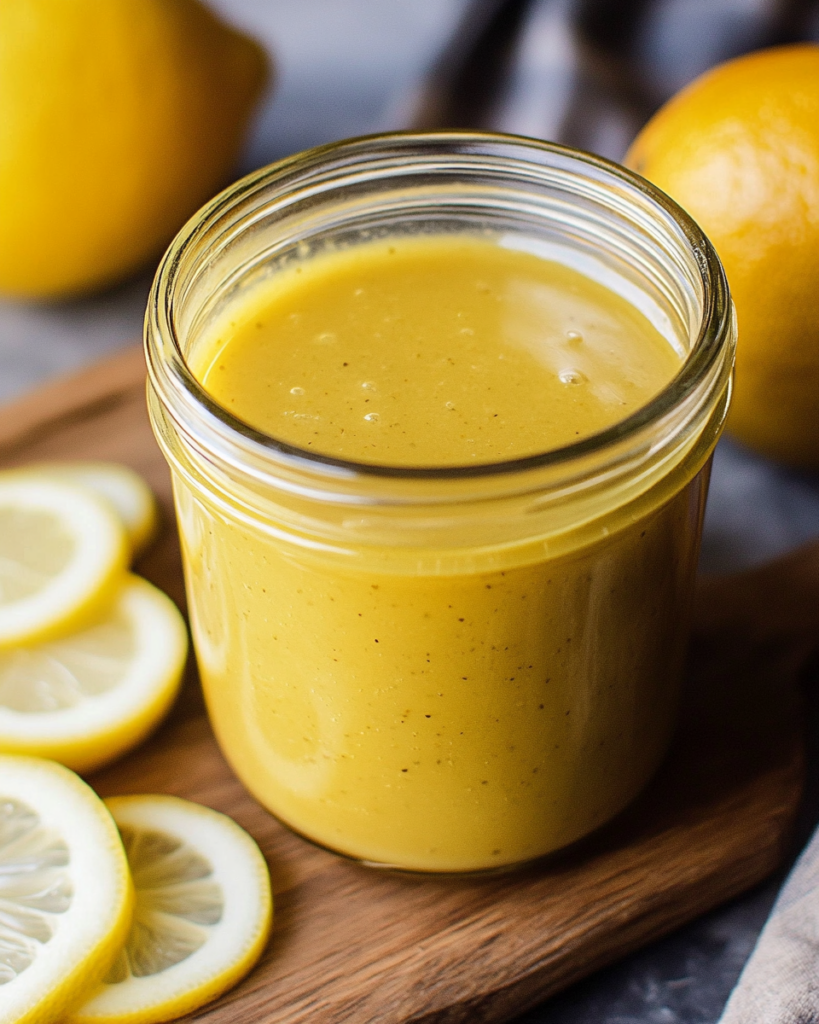
Preparation Tips and Variations
- Use fresh ingredients: Fresh lemon juice and garlic provide the best flavor.
- Warm the honey: If mixing by hand, slightly warming the honey helps it blend more easily.
- Adjust sweetness: Increase or decrease the honey based on your preference.
- Enhance emulsification: If the dressing separates too quickly, add a little extra Dijon mustard to help hold it together.
Serving Suggestions
1. Classic Green Salad
This vinaigrette pairs perfectly with leafy greens such as spinach, arugula, romaine, or mixed greens. Add sliced cucumbers, cherry tomatoes, red onions, and crumbled feta for a refreshing salad.
2. Roasted Vegetables
Drizzle over roasted carrots, Brussels sprouts, asparagus, or sweet potatoes to add a burst of brightness and flavor. The acidity of the lemon balances the caramelized sweetness of the vegetables.
3. Grain Bowls
Use this dressing to bring life to grain bowls made with quinoa, couscous, or farro. Add grilled chicken, chickpeas, avocado, and fresh herbs for a complete meal.
4. Marinade for Chicken or Fish
The acidity from the lemon juice helps tenderize proteins, making this vinaigrette a great marinade for grilled chicken, shrimp, or salmon. Let the protein sit in the dressing for 30 minutes before cooking.
5. Pasta Salad
Toss cooked pasta with fresh vegetables, olives, and this vinaigrette for a light and flavorful pasta salad. The dressing soaks into the pasta, making it even more delicious over time.
6. Caprese Salad
Instead of traditional balsamic, use this dressing over fresh tomatoes, mozzarella, and basil for a lighter take on Caprese salad. The lemony tang complements the creamy mozzarella beautifully.
7. Avocado Toast Topping
Drizzle over avocado toast to add a touch of acidity that balances the richness of the avocado. Sprinkle with red pepper flakes for an extra kick.
8. Coleslaw Dressing
Toss shredded cabbage and carrots with this vinaigrette for a lighter, tangy alternative to traditional mayonnaise-based coleslaw. Perfect for pairing with grilled meats or sandwiches.
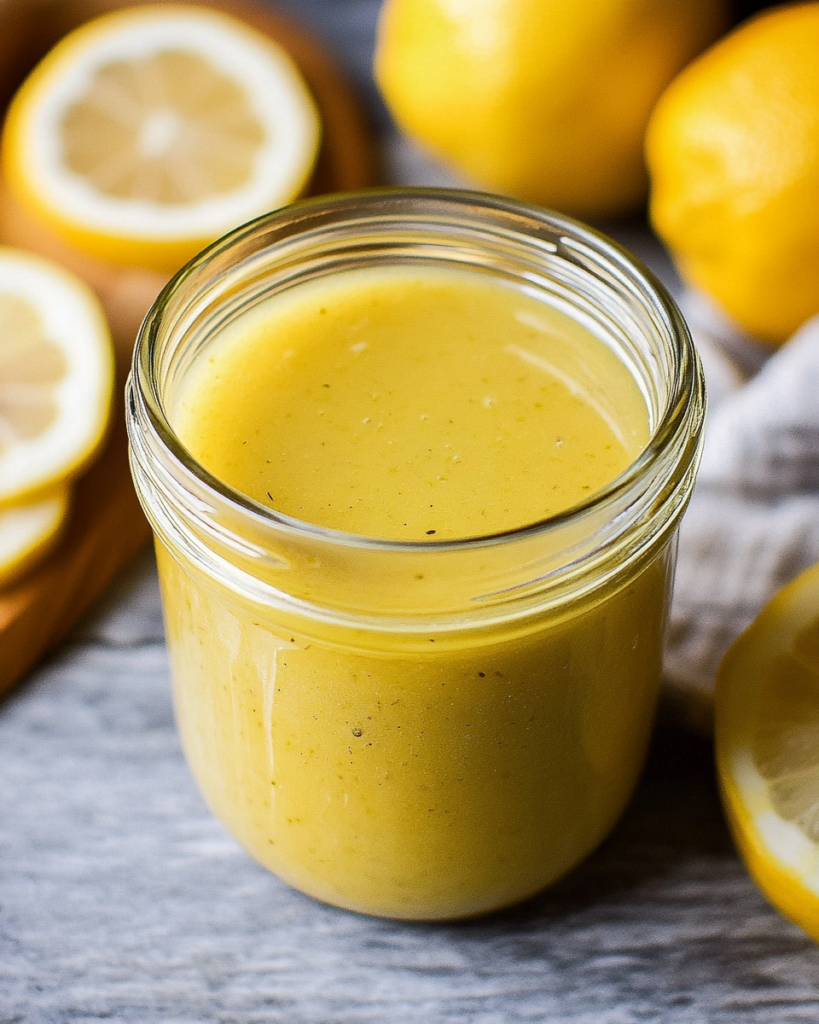
Common Mistakes to Avoid & How to Perfect the Recipe
Even with a simple recipe, small adjustments can make a big difference. Here are some common mistakes and tips to ensure success.
1. Using Bottled Lemon Juice Instead of Fresh
Freshly squeezed lemon juice has a bright, natural acidity that bottled juice lacks. Always use fresh lemons for the best flavor.
2. Skipping the Emulsification Step
For a smooth and well-blended dressing, always whisk vigorously while adding the olive oil slowly. If using a jar, shake it well. This step prevents the dressing from separating too quickly.
3. Overpowering with Too Much Mustard or Honey
Dijon mustard and honey balance each other, but too much of either can overpower the dressing. Start with the recommended amounts and adjust to taste.
4. Not Tasting Before Serving
Flavors develop over time, but it’s important to taste and adjust the seasoning before serving. If it’s too tangy, add a little more honey. If it’s too mild, increase the lemon juice or vinegar.
5. Using the Wrong Type of Olive Oil
Extra virgin olive oil adds a rich depth of flavor, but some brands can be overly bitter. Taste your olive oil before using, and choose one with a smooth, balanced flavor.
6. Storing Improperly
Always store the vinaigrette in an airtight container in the refrigerator. If separation occurs, simply shake or whisk before using.
7. Adding Too Much Salt at Once
Salt intensifies as the dressing sits, so add it gradually and adjust later if needed. A little goes a long way.
8. Not Letting It Rest Before Serving
Allowing the dressing to chill for at least 30 minutes helps the flavors meld together, making it even more delicious.
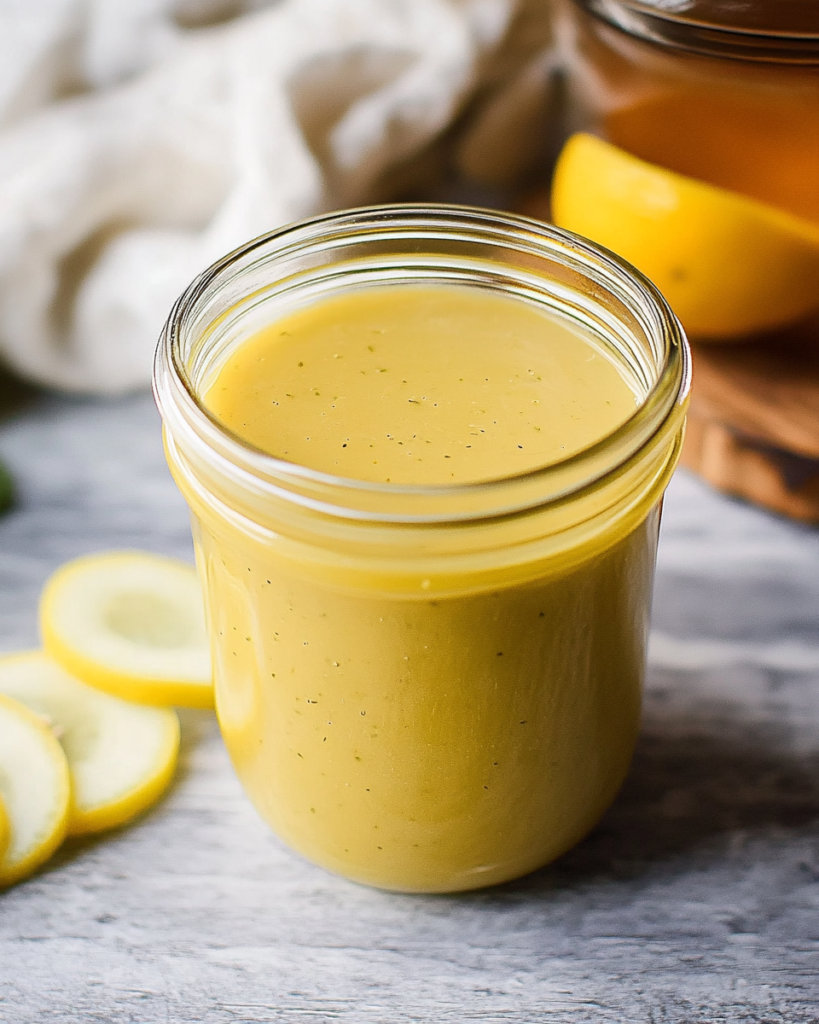
Recipe Tips for the Best Honey Lemon Vinaigrette
1. Balance the Flavors
Taste the dressing before serving and adjust as needed. If it’s too tangy, add a bit more honey. If it’s too sweet, increase the lemon juice or vinegar. A pinch of extra salt can also enhance the overall flavor.
2. Use High-Quality Ingredients
Since this vinaigrette relies on just a few ingredients, quality matters. Use freshly squeezed lemon juice, high-quality extra virgin olive oil, and a good Dijon mustard for the best flavor.
3. Make It Creamy
For a creamier consistency, blend in a tablespoon of Greek yogurt or mayonnaise. This variation works well for heartier salads like kale or coleslaw.
4. Add Fresh Herbs for More Flavor
Enhance the dressing with fresh basil, parsley, or thyme for a more herbaceous profile. Fresh herbs pair well with lighter summer salads.
5. Keep It Well Emulsified
If the dressing starts to separate, whisk it again or shake the container before using. Dijon mustard helps emulsify the ingredients, but if separation occurs quickly, try adding a little more mustard or blending the dressing again.
Storage and Reheating Instructions
How to Store Honey Lemon Vinaigrette
- Refrigerate: Store the vinaigrette in an airtight container or mason jar in the refrigerator for up to 7 days.
- Shake Before Use: Since homemade vinaigrettes naturally separate over time, always shake or whisk before serving.
- Avoid Freezing: Freezing is not recommended, as the texture of the dressing can change, causing separation that is difficult to fix.
How to Refresh the Dressing
- If the dressing thickens in the refrigerator, let it sit at room temperature for 10 minutes before shaking or whisking.
- Add a few drops of water or additional lemon juice if needed to restore the desired consistency.
Frequently Asked Questions
1. How long does homemade vinaigrette last?
This vinaigrette stays fresh for up to 7 days when stored in an airtight container in the refrigerator.
2. Can I make this dressing vegan?
Yes, substitute the honey with maple syrup or agave nectar for a vegan-friendly version.
3. What can I use instead of Dijon mustard?
If you don’t have Dijon mustard, you can use whole-grain mustard or yellow mustard, though the flavor will be slightly different.
4. Why did my vinaigrette separate?
Separation is normal for oil-based dressings. Simply shake or whisk before serving. Adding extra mustard or blending the dressing can help it stay emulsified longer.
5. Can I use another type of vinegar?
Yes, white wine vinegar, red wine vinegar, or rice vinegar can be used instead of apple cider vinegar. Each will slightly alter the flavor profile.
6. Can I use bottled lemon juice instead of fresh?
Fresh lemon juice provides a brighter and more natural flavor, but bottled lemon juice can work in a pinch. Adjust the quantity if needed, as bottled juice can be more acidic.
7. What type of olive oil is best for vinaigrette?
Extra virgin olive oil is recommended for the best flavor, but regular olive oil works if you prefer a milder taste. Avoid overly bitter olive oils.
8. How can I make this dressing less acidic?
Reduce the lemon juice or vinegar slightly and increase the honey to balance the acidity. You can also add a splash of water to mellow out the tanginess.
Final Thoughts
This Honey Lemon Vinaigrette is a versatile and flavorful addition to salads, roasted vegetables, and proteins. With a few simple adjustments, it can be tailored to suit any dish. By using fresh ingredients, balancing flavors, and storing it properly, you can enjoy a fresh and homemade dressing that enhances your meals all week long.
Honey Lemon Vinaigrette Salad Dressing
Ingredients
- 4 ounces olive oil about ½ cup
- 2 tablespoons lemon juice juice of 1 lemon
- 2 tablespoons apple cider vinegar
- 2 tablespoons Dijon mustard
- 2 tablespoons honey or to taste
- 2 cloves garlic minced
- 1 teaspoon dried oregano
- ½ teaspoon kosher salt or to taste
- ¼ teaspoon ground black pepper
Instructions
Using a food processor, blender, or jar:
- Combine olive oil, lemon juice, apple cider vinegar, Dijon mustard, honey, minced garlic, oregano, salt, and pepper in a food processor, blender, or jar with a tight-fitting lid.
- Blend, shake vigorously, or process until completely smooth and emulsified.
Using a whisk:
- In a bowl, combine lemon juice, apple cider vinegar, Dijon mustard, honey, minced garlic, oregano, salt, and pepper.
- While whisking vigorously, slowly drizzle in the olive oil until the dressing becomes smooth and emulsified.
To serve:
- For best flavor, chill the dressing for about 30 minutes before serving.
- Drizzle over your favorite salad and enjoy!
Notes
Warm the honey: If mixing by hand, warming the honey for a few seconds helps it blend more easily.
Customize sweetness: Adjust the honey to suit your taste—add more for a sweeter dressing or reduce for a tangier result.
Emulsification tips: If the dressing separates after refrigeration, simply shake or whisk to recombine. If needed, add a small amount of mustard or honey to help the emulsion hold.
Storage: Store the dressing in an airtight container in the refrigerator for up to 7 days. Do not fre