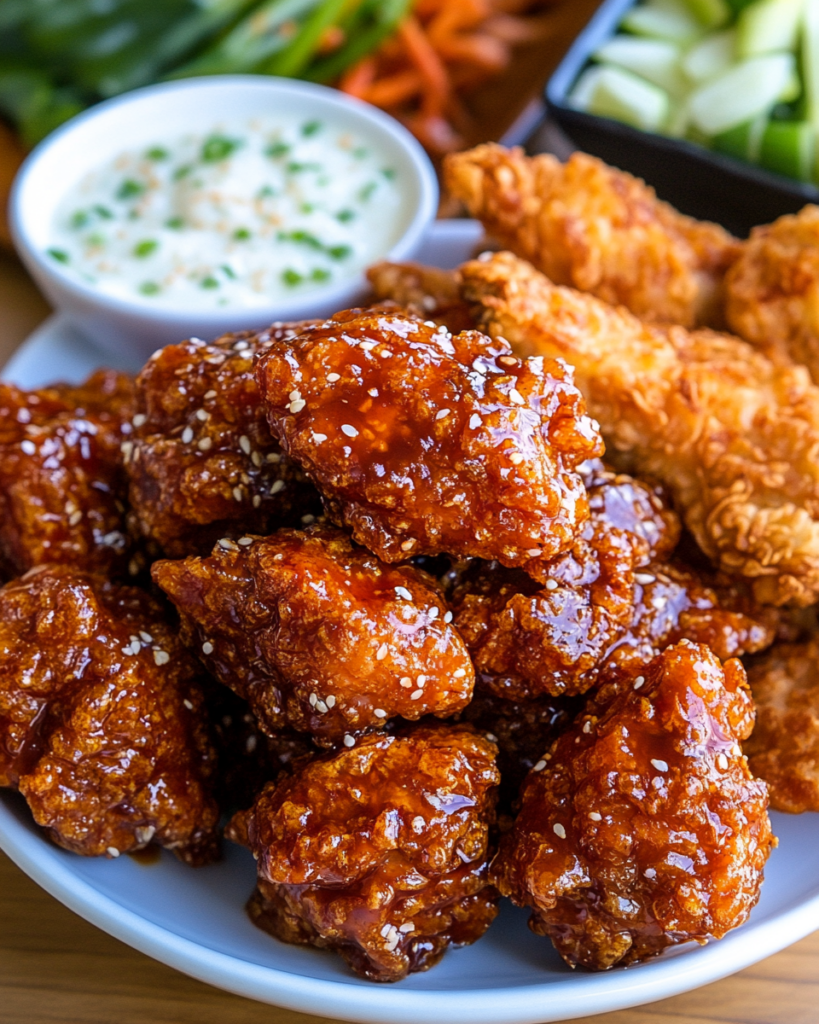
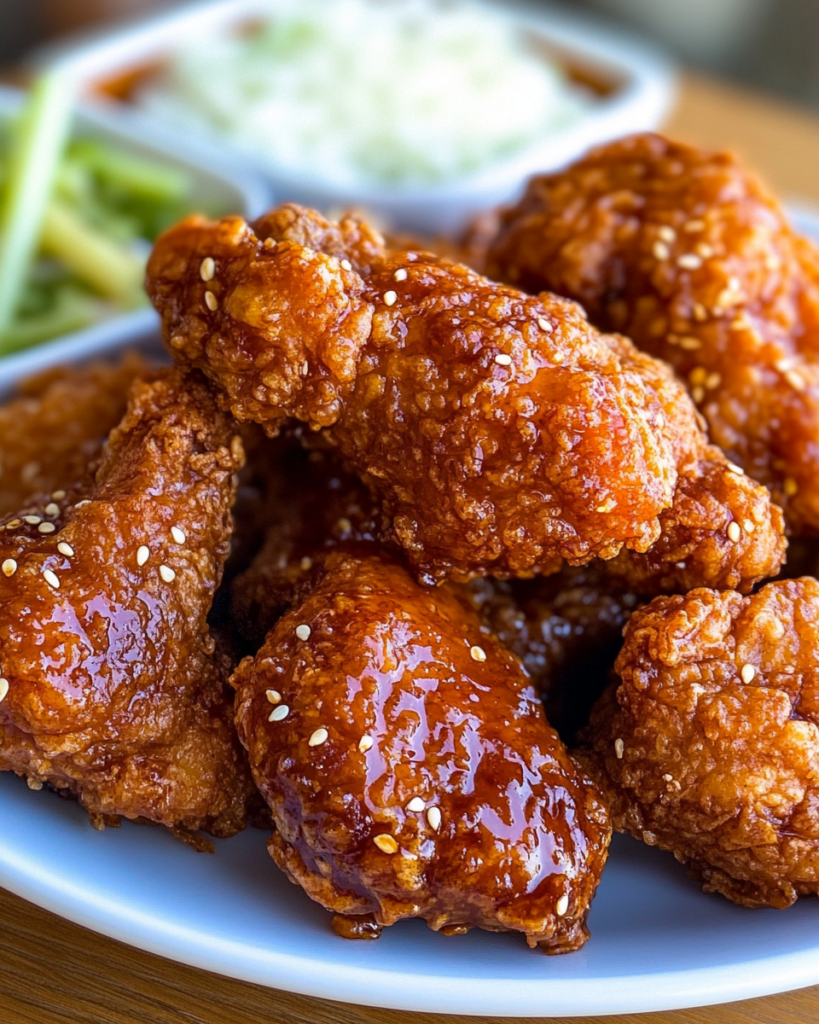
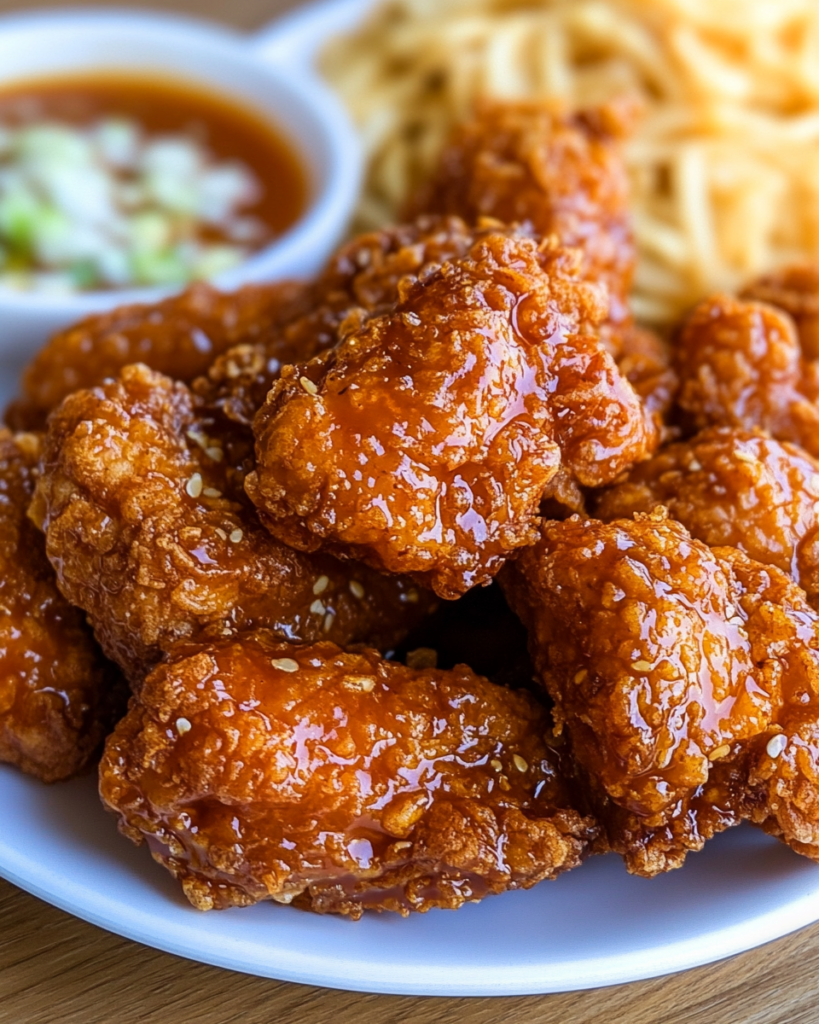
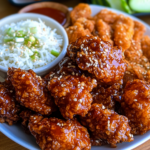
Korean Fried Chicken, also known as Yangnyeom Chicken, is a beloved Korean dish that has taken the world by storm. Unlike its American counterpart, this version is double-fried to achieve an incredibly thin, shatteringly crispy crust, then coated in a bold, sweet, spicy, and sticky gochujang-based sauce. The result? A Korean Fried Chicken experience that balances flavor, heat, and crunch with each irresistible bite.
Whether you’re hosting a party, planning a casual game night, or just craving something bold and satisfying, this recipe delivers a restaurant-quality dish from the comfort of your kitchen. The key lies in technique: double frying, proper seasoning, and a perfectly balanced sauce. If you love crispy wings and layers of flavor, this recipe is your new go-to.
Why You’ll Love This Korean Fried Chicken Recipe
- Ultra-crispy texture without being greasy
- Bold, addictive sauce made with gochujang
- Easy to customize spice level
- Perfect for entertaining or late-night snacking
- Authentic Korean street food flavor at home
Preparation Phase & Tools to Use
To make Korean Fried Chicken at home, you’ll need to plan ahead. The chicken should be dry-brined to enhance flavor and moisture retention, and you’ll need separate bowls for wet and dry batters.
Essential Tools and Equipment
- Heavy-bottomed pot or deep fryer: Ensures even heat distribution during frying
- Kitchen thermometer: Crucial for maintaining oil temperature
- Mixing bowls: For batters and sauce
- Wire rack: Helps keep chicken crispy after frying
- Tongs: For safe and clean handling during frying
Each tool plays a vital role in delivering the signature crunch and clean finish that makes Korean Fried Chicken so iconic.
Key Preparation Tips
- Dry brining your chicken (seasoning and letting it rest) ensures deeper flavor and juicier meat.
- Keep your wet batter cold by using club soda and refrigerating it until use.
- Double frying is essential. The first fry cooks the chicken, and the second creates the crispy texture.
- Avoid overcrowding the pot to maintain oil temperature and prevent soggy wings.
Ingredients
For the Chicken
- 2 lbs chicken wings and drumettes (about 16 pieces)
- Peanut oil, vegetable oil, or canola oil for frying
- 1 tsp sesame seeds (for garnish)
Chicken Seasoning
- 1½ tsp salt
- 1 tsp garlic powder
- ½ tsp black pepper
- 1 tbsp cayenne pepper (optional)
Dry Batter
- ½ cup potato starch
- ¼ cup all-purpose flour
- 1 tsp chicken bouillon
- 1 tsp salt
- 1 tbsp cayenne pepper (optional)
Wet Batter
- ½ cup potato starch
- ¼ cup all-purpose flour
- 1 egg
- 1 tsp baking powder
- ½ cup cold club soda (or cold water)
Yangnyeom Sauce
- ¼ cup ketchup
- ¼ cup extra spicy gochujang
- ¼ cup rice syrup
- ¼ cup water
- 3 tbsp soy sauce
- 3 tbsp sugar
- 2 tsp plum vinegar (or rice vinegar)
- 1 tsp gochugaru (Korean chili flakes)
- 1 tbsp neutral oil
- 3 garlic cloves, minced
Step-by-Step Instructions
1. Season the Chicken
Pat the chicken wings dry with paper towels. In a large bowl, combine salt, garlic powder, black pepper, and optional cayenne. Toss chicken pieces to coat evenly. Let them rest uncovered in the fridge overnight or at room temperature for 1 hour.
2. Make the Yangnyeom Sauce
Heat neutral oil in a small saucepan over medium-low heat. Sauté minced garlic until fragrant, about 30 seconds. Add the rest of the sauce ingredients. Stir and simmer for 2–3 minutes. Remove from heat and let cool.
3. Prepare the Batters
In one bowl, whisk together the dry batter: potato starch, flour, chicken bouillon, salt, and cayenne.
In another bowl, whisk the wet batter: potato starch, flour, egg, baking powder, and cold club soda. Keep this batter cold until ready to use.
4. Coat the Chicken
Dip each piece of chicken in the wet batter, letting the excess drip off. Then dredge in the dry batter, pressing gently for full coating. Shake off any extra.
5. First Fry
Heat oil to 350°F in a deep pot. Fry chicken in batches for 6–7 minutes (or 7–8 minutes for larger pieces). Keep oil temperature between 320–335°F. Set the fried chicken on a wire rack.
6. Second Fry
Increase oil temperature to 370°F. Refry each batch for 1 minute to maximize crispness. Let drain again on a wire rack.
7. Sauce and Finish
While the chicken is still hot, either toss it gently in the Yangnyeom sauce or brush the sauce on each piece for a more precise coating. Garnish with sesame seeds.
8. Serve
Serve immediately with pickled radish, cabbage slaw, and your favorite Korean beer for an authentic experience.
How to Serve Korean Fried Chicken
Korean Fried Chicken is best served hot and fresh, immediately after tossing in the sauce or brushing it on. The key to preserving the signature crunch is to avoid letting the chicken sit too long after saucing. For the most authentic experience, pair it with traditional Korean accompaniments and refreshing drinks.
Recommended Serving Style
- Serve on a large platter, garnished with sesame seeds.
- Offer chopsticks or finger food baskets for easy grabbing.
- Include a small bowl of pickled radish (danmuji) on the side to cut through the richness.
- Add cabbage slaw or shredded lettuce tossed in a light vinaigrette for balance.
- Cold Korean beer or a carbonated drink enhances the bold flavors.
The combination of spicy, sweet, and crispy elements with refreshing sides makes this dish ideal for casual gatherings, parties, or even late-night snacks.
Common Mistakes to Avoid
Achieving the perfect Korean Fried Chicken requires attention to detail, especially during the frying and coating steps. Below are some of the most common mistakes and how to avoid them.
1. Overcrowding the Pot
Adding too many pieces of chicken at once lowers the oil temperature rapidly. This results in soggy, greasy chicken instead of the desired crunch.
Solution: Fry in small batches, and allow the oil to return to the correct temperature between batches.
2. Skipping the Second Fry
The second fry is what gives Korean Fried Chicken its light, shatteringly crispy coating. Skipping this step leads to a less satisfying texture.
Solution: Always double fry. The second round at a higher temperature creates the ultra-crispy exterior.
3. Not Using Cold Wet Batter
A cold batter slows down gluten development and results in a thinner, more delicate crust.
Solution: Keep the club soda and batter chilled until you’re ready to use them.
4. Mixing the Sauce Too Early
Letting chicken sit in sauce causes the coating to absorb moisture and lose its crispness.
Solution: Toss or brush the sauce just before serving.
5. Inaccurate Oil Temperature
Oil that’s too hot burns the outside while leaving the inside undercooked. Oil that’s too cool results in oily chicken.
Solution: Use a thermometer to maintain the oil between 320–370°F during the entire frying process.
How to Perfect This Recipe Every Time
Mastering Korean Fried Chicken comes down to consistency and understanding the techniques. Here are expert tips to ensure success every time.
Dry Brine Overnight
Dry brining the chicken overnight not only seasons it deeply but also helps it retain moisture during frying. This process enhances both flavor and texture.
Use Potato Starch Over Cornstarch
Potato starch delivers a lighter, crispier crust that holds up better to saucing. It also creates that signature airy crunch.
Let Chicken Rest Between Fries
After the first fry, let the chicken rest on a wire rack for at least 5 minutes. This allows excess steam to escape, which keeps the crust crispy during the second fry.
Toss vs Brush Sauce
Tossing the chicken provides an even coating, while brushing allows you to control the amount of sauce. For a lighter coating and better crunch, brushing is preferred.
Keep the Sauce Slightly Warm
Warm sauce adheres better to the chicken. Reheat it gently before tossing or brushing to avoid clumping or separation.
Side Dish Recommendations
A proper Korean Fried Chicken meal is never complete without flavorful side dishes. Below are eight complementary sides that elevate the dining experience.
1. Pickled Radish (Danmuji)
A classic Korean side for fried chicken. The acidity and crunch help balance out the spicy and sweet flavors.
2. Cabbage Slaw
Finely shredded cabbage tossed in a light sesame vinaigrette provides a refreshing contrast.
3. Japchae (Glass Noodles)
Stir-fried glass noodles with vegetables and soy sauce offer a satisfying and chewy side that complements the crispy chicken.
4. Korean Corn Cheese
A popular Korean pub snack. The creamy, cheesy sweetness works surprisingly well with spicy Yangnyeom Chicken.
5. Kimchi Pancakes (Kimchi Jeon)
Savory and slightly tangy, these crispy pancakes are a great pairing with the bold sauce of the chicken.
6. Steamed White Rice
Simple but effective, steamed rice provides a neutral base that balances the heat of the gochujang sauce.
7. Seaweed Salad
Light, crisp, and slightly salty, seaweed salad adds a refreshing oceanic flavor to the meal.
8. Scallion Pancakes (Pajeon)
These crispy pancakes with green onions add a savory, umami-rich component that pairs well with the chicken’s bold flavors.
Recipe Tips & Tricks
Perfecting Korean Fried Chicken requires more than just following steps—it’s about refining small details that elevate texture and flavor. Here are some pro tips to make your homemade wings rival your favorite Korean spot.
Use Fresh Oil for Frying
Reused oil can affect both the flavor and crispness of the chicken. Always start with fresh, neutral oil for the best results.
Make Sauce Ahead of Time
The Yangnyeom sauce can be made up to three days in advance. Store it in an airtight container in the refrigerator and reheat it gently before using.
Opt for Chicken Drumettes or Wings
These cuts fry quickly, offer a great meat-to-crust ratio, and are traditional in Korean-style fried chicken recipes.
Adjust Spice Level
Add more gochugaru or an extra spoonful of gochujang if you prefer a hotter sauce. Reduce the amount for a milder version without sacrificing flavor.
Brushing Instead of Tossing
To preserve the extra-crispy coating, brush the sauce onto each piece rather than tossing. This method also gives more control over the amount of sauce on each wing.
Storage Instructions
Korean Fried Chicken is best enjoyed fresh, but leftovers can still be delicious with proper storage.
- Refrigerate: Store leftover chicken in an airtight container lined with paper towels to absorb moisture. Keep refrigerated for up to 3 days.
- Store Sauce Separately: If you anticipate leftovers, reserve some chicken without sauce. Storing the sauce separately helps preserve the crust’s texture.
- Avoid Stacking: Lay chicken in a single layer to maintain crispness and prevent sogginess.
Reheating Instructions
Crispiness can be restored if the chicken is reheated properly. Avoid microwaving, which softens the coating and makes it rubbery.
Oven Method
- Preheat oven to 375°F.
- Place chicken on a wire rack over a baking sheet.
- Heat for 10–12 minutes, flipping halfway for even reheating.
Air Fryer Method
- Preheat air fryer to 375°F.
- Arrange chicken pieces in a single layer.
- Heat for 5–6 minutes until hot and crisp.
Stovetop Method (for sauce only)
If the chicken is unsauced, warm the sauce separately in a small saucepan over low heat, then brush or toss the chicken once reheated.
Frequently Asked Questions (FAQs)
Can I bake Korean fried chicken instead of frying?
While baking can produce a crispy texture, it won’t replicate the shatteringly crisp crust that double-frying provides. For best results, use a deep-frying method.
What makes Korean fried chicken so crispy?
Double frying and the use of potato starch in the batter are key. The first fry cooks the chicken, and the second removes residual moisture for an ultra-crispy exterior.
Is Korean fried chicken spicy?
Yes, but the spice level is adjustable. The heat comes primarily from gochujang and gochugaru. You can reduce or omit these for a milder sauce.
What’s the difference between Yangnyeom chicken and regular Korean fried chicken?
Yangnyeom chicken is tossed in a sweet, spicy, and sticky red sauce. Regular Korean fried chicken is typically served plain or with a lighter soy-based glaze.
Can I use boneless chicken?
Yes, boneless thighs or tenders can be used. Cut them into smaller chunks for even cooking and follow the same battering and frying method.
What oil is best for frying Korean chicken?
Neutral oils with high smoke points like peanut, canola, or vegetable oil are ideal. Avoid olive oil or butter-based fats, which have lower smoke points.
Can I make it gluten-free?
Yes. Replace all-purpose flour with a gluten-free blend and ensure the gochujang used is certified gluten-free. Double-check all labels to avoid cross-contamination.
Can I make the sauce ahead of time?
Absolutely. The sauce can be stored in the fridge for up to 3 days. Warm it gently before applying it to the chicken for the best consistency and flavor.
Conclusion
Korean Fried Chicken (Yangnyeom Chicken) is more than just a meal—it’s a sensory experience. From the first bite, you’ll taste layers of heat, sweetness, and umami, wrapped in a perfectly crisp coating that delivers unmatched texture.
This recipe brings the authentic flavors of Korean street food and chimaek (chicken and beer) culture to your kitchen. With the right technique, ingredients, and a few insider tips, you can recreate a dish that is every bit as satisfying as your favorite Korean fried chicken joint.
Whether you’re planning a weekend feast, game-day snack, or simply craving bold, unforgettable flavor, this dish checks every box. Give it a try, explore different sauce variations, and enjoy one of Korea’s most iconic culinary exports at home.
Korean Fried Chicken (Yangnyeom Chicken)
Ingredients
For the Chicken:
- 2 lbs chicken wings and drumettes about 16 pieces
- Peanut oil or canola/vegetable oil, for frying
- 1 tsp sesame seeds for garnish
- Chicken Seasoning:
- 1½ tsp salt
- 1 tsp garlic powder
- ½ tsp black pepper
- 1 tbsp cayenne pepper optional, for heat
Dry Batter:
- ½ cup potato starch
- ¼ cup all-purpose flour
- 1 tsp chicken bouillon
- 1 tsp salt
- 1 tbsp cayenne pepper optional
Wet Batter:
- ½ cup potato starch
- ¼ cup all-purpose flour
- 1 egg
- 1 tsp baking powder
- ½ cup cold club soda or cold water
Yangnyeom Sauce:
- ¼ cup ketchup
- ¼ cup extra spicy gochujang
- ¼ cup rice syrup
- ¼ cup water
- 3 tbsp soy sauce
- 3 tbsp sugar
- 2 tsp plum vinegar or rice/white vinegar
- 1 tsp gochugaru Korean red chili flakes
- 1 tbsp neutral oil
- 3 garlic cloves minced
Instructions
Season the Chicken:
- Pat the chicken wings dry. In a bowl, combine salt, garlic powder, black pepper, and optional cayenne. Rub the seasoning all over the chicken. Let it dry brine uncovered in the fridge overnight or at room temperature for 1 hour.
Make the Yangnyeom Sauce:
- In a small pan over medium-low heat, sauté the minced garlic in neutral oil until fragrant, without browning. Add the remaining sauce ingredients and simmer gently for 2–3 minutes, stirring regularly. Remove from heat and set aside. (Can be made ahead and refrigerated.)
Prepare the Batters:
- In one bowl, mix the dry batter: potato starch, flour, chicken bouillon, salt, and optional cayenne.
- In a separate bowl, whisk together the wet batter: potato starch, flour, egg, baking powder, and cold club soda.
Coat the Chicken:
- Dip each chicken piece into the wet batter, allowing excess to drip off. Dredge in the dry batter, pressing gently to coat and tapping off any extra.
First Fry:
- Heat oil in a deep pot to 350°F. Fry the chicken in batches for 6–7 minutes (or 7–8 minutes for larger pieces), maintaining the oil temperature between 320–335°F. Set fried pieces on a wire rack to rest.
Second Fry:
- Raise the oil temperature to 370°F. Fry the chicken again for 1 minute per batch, keeping the oil above 350°F to achieve extra crunch. Drain on a wire rack.
Sauce & Finish:
- While still hot, toss the chicken in the prepared Yangnyeom sauce or brush it on for more control. Sprinkle with toasted sesame seeds.
Serve:
- Serve immediately with pickled radish, cabbage slaw, and a cold beer for the full Korean fried chicken experience.