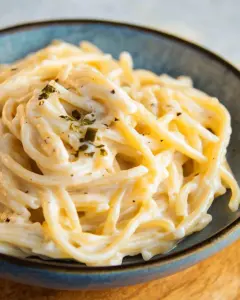
Pasta Primavera is the perfect celebration of seasonal produce wrapped in a comforting, creamy pasta dish. This recipe brings together tender pasta, sautéed vegetables, and a rich Parmesan-butter sauce that coats every bite in luxurious flavor. The vibrant mix of carrots, zucchini, yellow squash, and cherry tomatoes adds both texture and color, making this dish a beautiful centerpiece for your table.
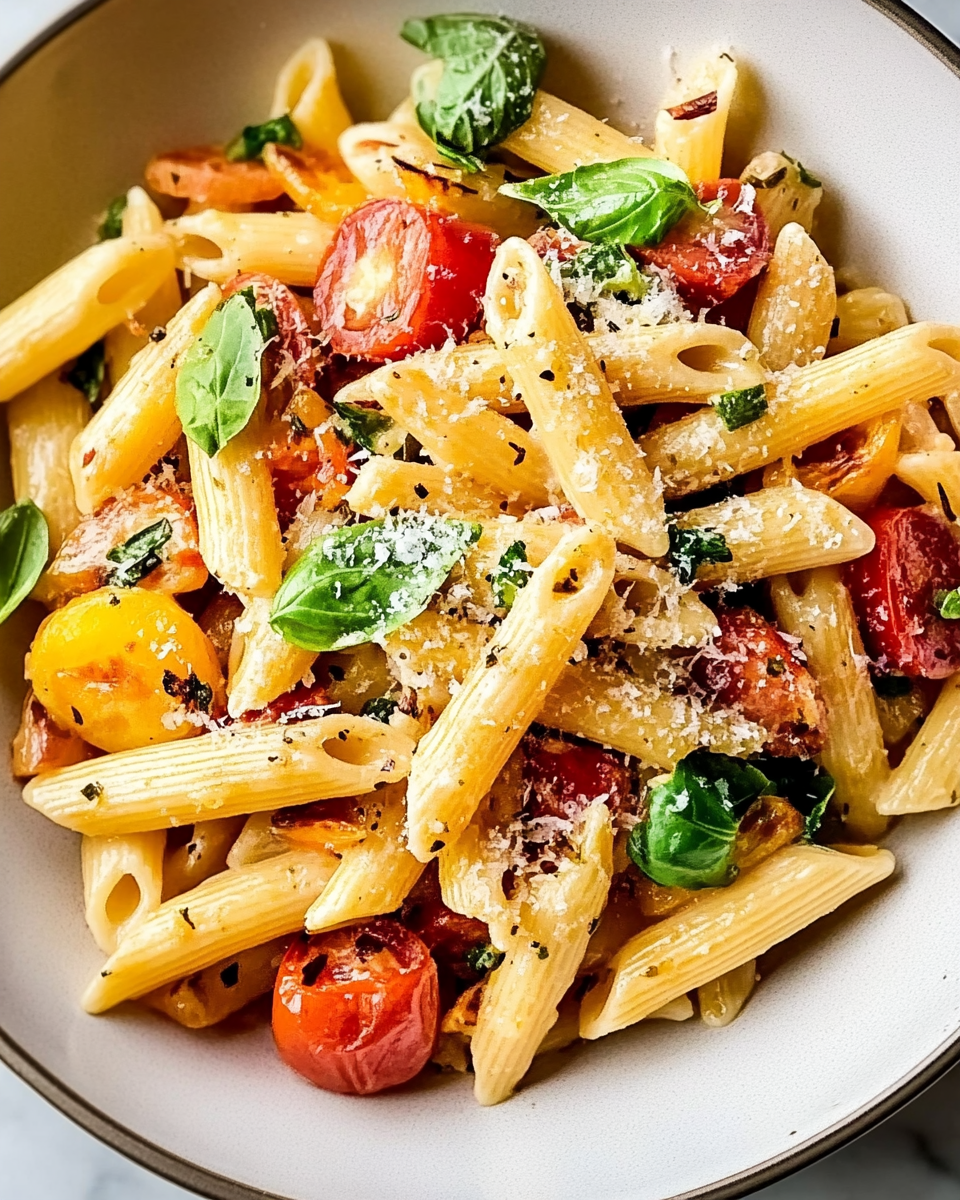
What sets Pasta Primavera apart is its flexibility. Whether you’re making a weeknight dinner, feeding vegetarian guests, or simply using up fresh vegetables from the market or garden, this dish checks every box. It’s satisfying yet light, creamy without being too rich, and quick to prepare in under 45 minutes.
This version is especially appealing for spring and summer when fresh vegetables are at their peak. But don’t worry—you can customize it year-round using what you have on hand. Add grilled shrimp or chicken for a heartier twist, or keep it classic and meatless for a truly vegetarian pasta delight.
Why You’ll Love This Pasta Primavera
- It’s packed with fresh seasonal vegetables.
- The Parmesan-butter sauce is creamy, simple, and rich.
- Ready in less than an hour, perfect for weeknight dinners.
- A meatless meal that’s still hearty and filling.
- Easy to adapt to your tastes or dietary needs.
- Beautiful presentation that works for both casual and special occasions.
Whether you’re looking to enjoy lighter meals as the weather warms or want a dish that feels indulgent without being heavy, this vegetarian pasta recipe is the answer.
Preparation Phase and Essential Tools
Before you begin cooking, a little preparation goes a long way. Gathering your ingredients and tools ahead of time makes the process smooth and enjoyable.
Essential Tools and Equipment
- Large pot: For boiling the pasta.
- Large skillet or sauté pan: To cook the vegetables and make the sauce.
- Cutting board and sharp knife: For chopping and slicing veggies.
- Whisk: To create a smooth, cohesive sauce.
- Wooden spoon or spatula: Ideal for sautéing and tossing the pasta.
Why Each Tool Matters
The skillet ensures even browning of the vegetables, giving them flavor and texture. A whisk helps the butter, cheese, and milk come together smoothly for a velvety sauce. Sharp knives and a solid cutting board ensure your vegetables are evenly cut, which helps them cook at the same rate.
Ingredient List
Make sure to use fresh, high-quality ingredients for the best results.
Pasta
- 12 ounces penne or bucatini
Vegetables
- 1 large carrot, cut into matchsticks
- 1 medium zucchini, halved lengthwise and sliced into ¾-inch pieces
- 1 medium yellow squash, halved and sliced into ¾-inch pieces
- 1 large shallot, thinly sliced
- 1½ cups cherry tomatoes, halved
- ⅓ cup sun-dried tomatoes, chopped
Sauce and Seasoning
- 2 tablespoons extra-virgin olive oil
- 6 tablespoons unsalted butter, cut into pieces
- ¾ cup freshly grated Parmesan cheese, plus more for serving
- ½ cup whole milk, plus more as needed
- 1 teaspoon dried basil
- ½ teaspoon garlic powder
- ½ teaspoon sea salt
- ½ teaspoon freshly cracked black pepper
Optional Garnishes
- Chopped fresh basil or flat-leaf parsley
- Crushed red pepper flakes
Step-by-Step Directions
- Cook the Pasta
Bring a large pot of salted water to a boil. Add the pasta and cook until al dente according to the package directions. Drain and set aside. - Sauté the Shallot and Carrots
Heat 1 tablespoon of olive oil in a large skillet over medium-high heat. Add the shallots and carrots and sauté for about 5 minutes, until they begin to soften. Transfer to a plate. - Cook the Zucchini and Squash
In the same skillet, add the remaining tablespoon of olive oil. Place the zucchini and squash in a single layer and cook for 3 minutes per side until golden. Transfer to the plate with the other vegetables. - Make the Sauce
Reduce the heat slightly and melt the butter in the skillet. Once melted, whisk in the Parmesan cheese, milk, dried basil, garlic powder, salt, and pepper until the sauce is creamy and smooth. - Add the Tomatoes
Stir in the sun-dried tomatoes and cherry tomatoes. Cook until just warmed through. Remove from heat to avoid overcooking the tomatoes. - Combine Everything
Return the drained pasta and sautéed vegetables to the skillet. Toss gently until everything is evenly coated in the sauce. If the sauce is too thick, add a splash of milk. If it’s too thin, sprinkle in more Parmesan. - Serve Immediately
Dish up the pasta hot and garnish with additional Parmesan, fresh herbs, and crushed red pepper flakes if desired.
How to Serve Pasta Primavera
This dish is best served warm, immediately after tossing the pasta with the creamy Parmesan-butter sauce and vegetables. As the sauce cools, it may thicken or lose some of its smooth texture, so it’s ideal to enjoy it fresh out of the skillet.
Recommended Garnishes:
- Sprinkle with freshly grated Parmesan cheese
- Add chopped basil or parsley for freshness
- Top with crushed red pepper flakes for a hint of spice
- Serve with a lemon wedge on the side for brightness
Best Pairings:
- Crisp white wines like Sauvignon Blanc or Pinot Grigio
- Sparkling water with citrus
- Light Italian appetizers or fresh salads
Pasta Primavera can also be made more substantial by adding grilled chicken, sautéed shrimp, or even white beans for extra protein, depending on your dietary preferences.
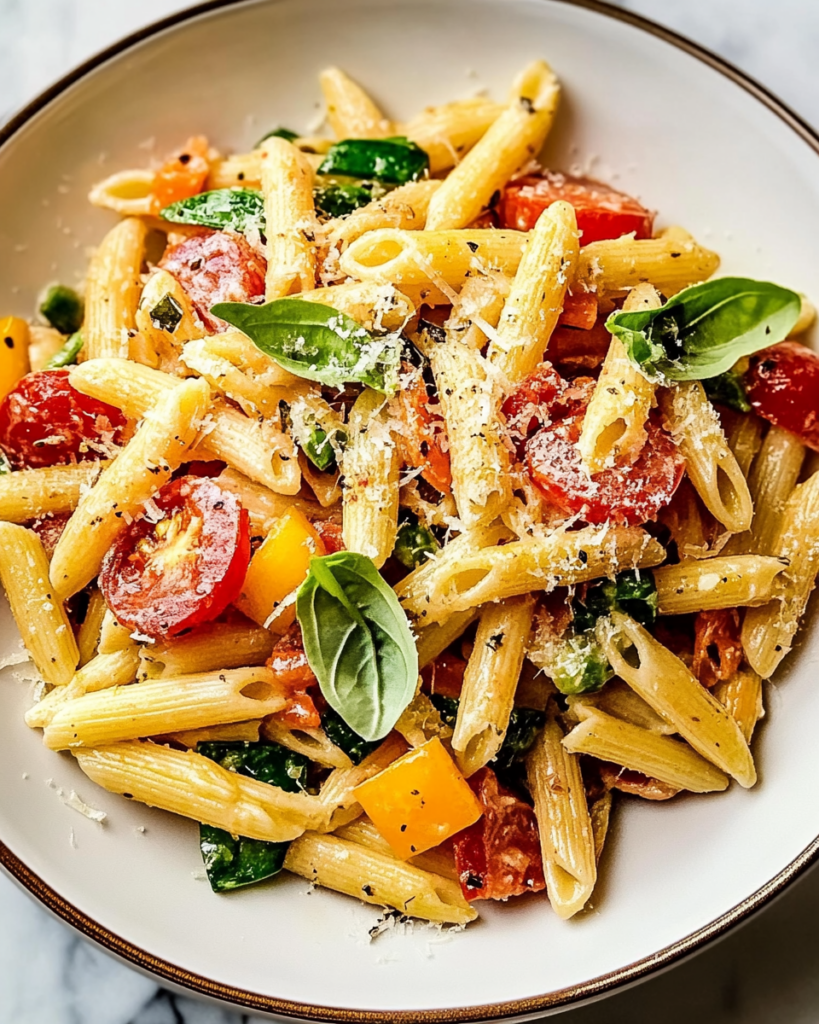
Common Mistakes to Avoid When Making Pasta Primavera
Avoiding these common pitfalls can help you achieve a perfect, restaurant-quality Pasta Primavera at home.
1. Overcooking the Pasta
The pasta should be cooked al dente, which means firm to the bite. Overcooked pasta will become mushy once mixed with the sauce and vegetables.
2. Using Pre-Shredded Parmesan
Pre-shredded cheese contains anti-caking agents that prevent it from melting smoothly. Always use freshly grated Parmesan for the best texture and flavor in the sauce.
3. Skipping the Sear on Vegetables
Cooking vegetables until golden brown adds depth of flavor. Avoid crowding the pan, which leads to steaming instead of browning.
4. Adding Cold Milk to the Sauce
Cold dairy can cause the sauce to split. Use room-temperature or warm milk for a smoother, creamier sauce.
5. Not Reserving Pasta Water
A splash of pasta water can help loosen the sauce if it becomes too thick, thanks to its starch content.
6. Using Too Many Vegetables
While this dish is vegetable-forward, adding too many types can overwhelm the flavor and make the dish soggy. Stick to a balance of textures and colors.
Best Side Dishes for Pasta Primavera
Pairing Pasta Primavera with a thoughtful side dish can round out the meal beautifully. Here are eight excellent side options that enhance the flavor and texture of the main dish.
1. Garlic Bread
Crispy on the outside and soft on the inside, garlic bread is a classic pairing with any creamy pasta. The buttery garlic flavor complements the savory sauce and adds a satisfying crunch.
2. Caprese Salad
A simple Caprese salad of fresh mozzarella, sliced tomatoes, and basil drizzled with balsamic glaze brings brightness and acidity, balancing the creaminess of the pasta.
3. Arugula and Lemon Salad
Peppery arugula dressed with lemon juice and olive oil creates a light, zesty contrast that refreshes the palate between bites of the rich pasta.
4. Roasted Asparagus
Seasoned with olive oil, sea salt, and lemon zest, roasted asparagus adds a slightly smoky and earthy element that works well with the springtime vibe of Pasta Primavera.
5. Bruschetta
Toasted bread topped with diced tomatoes, garlic, basil, and olive oil provides texture and freshness that echo the ingredients of the main dish while offering variety.
6. Parmesan Zucchini Fries
These oven-baked zucchini fries deliver a crispy, cheesy crunch that complements the soft textures in the pasta. They’re also a clever way to serve a second zucchini-based dish without repetition.
7. Marinated Olives
A bowl of marinated olives offers briny, bold flavor that contrasts nicely with the creamy and mild pasta, making it a great pre-dinner nibble or side option.
8. Grilled Artichokes
Grilled artichokes with lemon and herbs are a slightly more advanced side, but they offer a smoky flavor and satisfying texture that make them worth the effort.
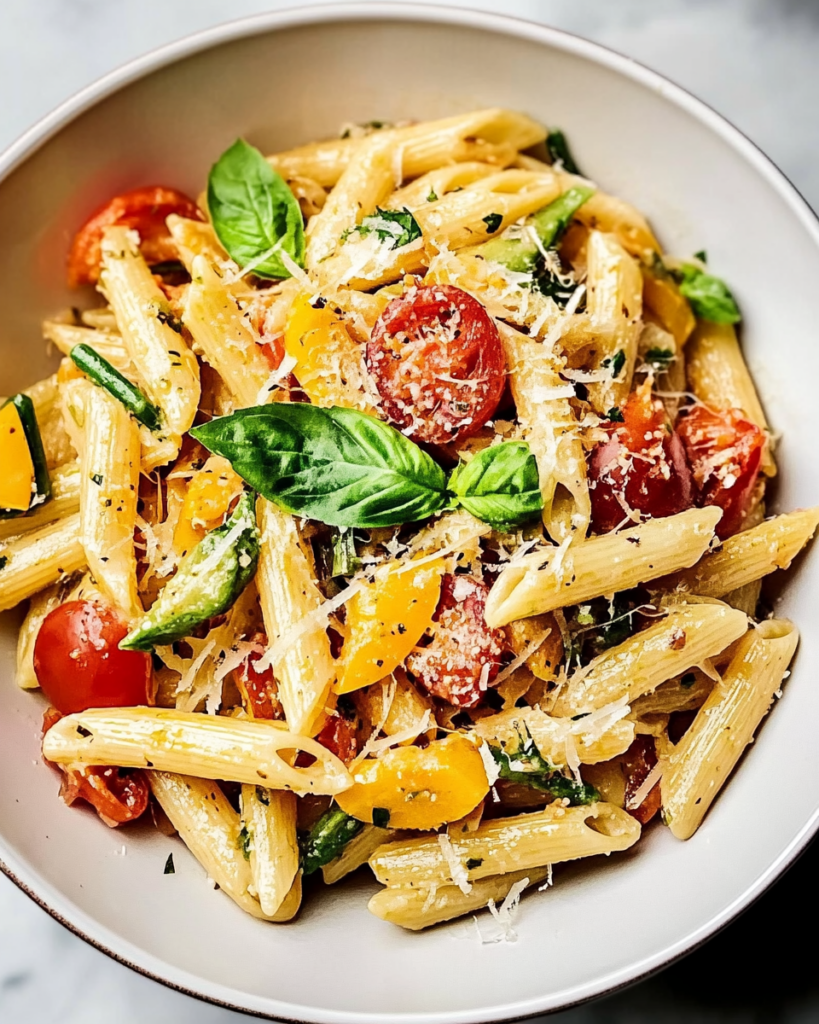
Pro Recipe Tips and Variations
Use Freshly Grated Parmesan
Freshly grated cheese melts more smoothly and has a fuller flavor. It makes a noticeable difference in the creaminess of the sauce.
Keep the Vegetables Al Dente
Cook vegetables until just tender. Overcooking can lead to mushy textures and a lack of contrast in the dish.
Adjust Sauce Consistency
If the sauce is too thick, stir in a bit more milk or reserved pasta water. If it’s too thin, add an extra tablespoon of grated Parmesan.
Customize with Protein
Add grilled chicken, shrimp, or tofu to turn this into a protein-packed main dish without losing its light, seasonal appeal.
Go Gluten-Free
Simply swap the pasta for your favorite gluten-free version. The sauce and vegetables are naturally gluten-free.
Make It Vegan
Use plant-based butter and non-dairy milk, and substitute Parmesan with a vegan cheese alternative or nutritional yeast.
Try Different Vegetables
Depending on the season, you can add snap peas, bell peppers, baby spinach, or broccoli florets. Just adjust the cooking time accordingly.
Storage and Reheating Instructions
Pasta Primavera is best served fresh, but it stores well for a few days with the right technique.
Refrigerating
Transfer leftovers to an airtight container and refrigerate for up to 4 days. Make sure the container is sealed tightly to preserve moisture and flavor.
Reheating
Reheat gently on the stovetop over medium-low heat. Add a splash of milk or a small knob of butter to loosen the sauce. If using the microwave, cover loosely and heat in short intervals, stirring between each round.
Freezing
Freezing is not recommended for this dish. The dairy in the sauce may separate, and the vegetables can become watery upon thawing, resulting in a less appealing texture.
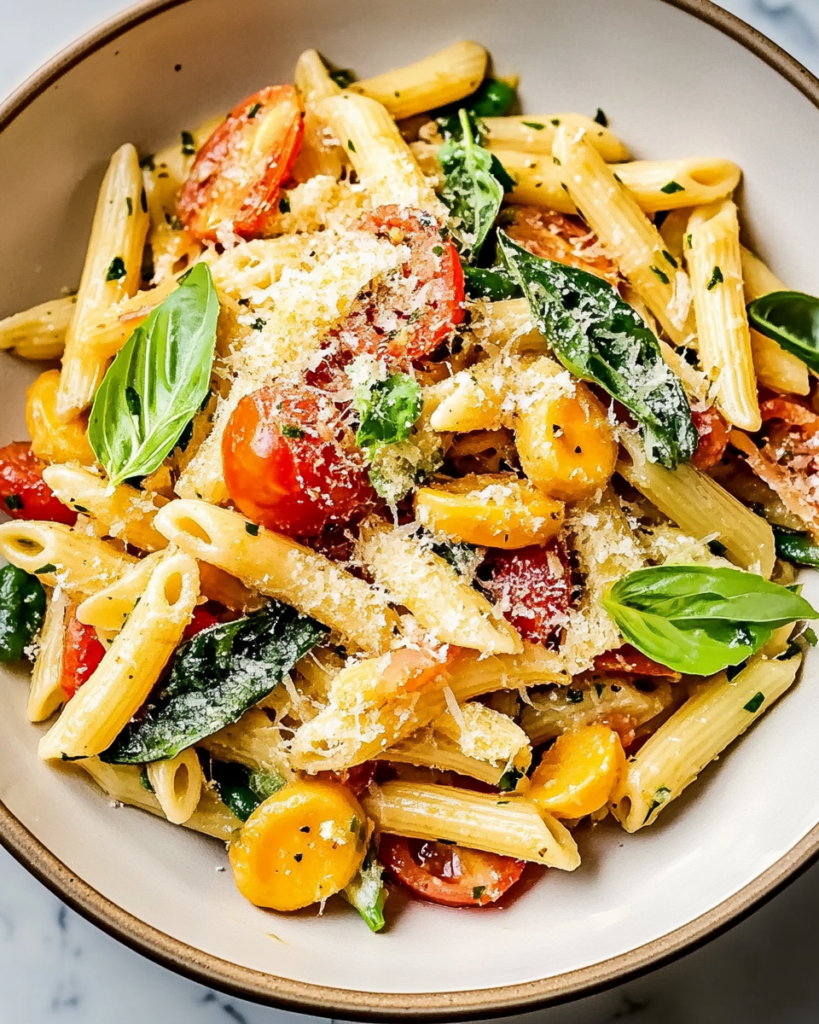
Frequently Asked Questions
What does “Primavera” mean?
“Primavera” means “spring” in Italian. The dish reflects springtime freshness with its mix of colorful vegetables and light, creamy sauce.
Can I use frozen vegetables?
Yes, although fresh vegetables are preferred for optimal texture. If using frozen, thaw and drain them first to prevent excess moisture.
Is this recipe healthy?
Pasta Primavera is a well-balanced vegetarian meal that includes whole grains, fresh vegetables, and a moderate amount of dairy. To make it lighter, reduce the butter and cheese.
How can I make this dish vegan?
Use dairy-free butter, plant-based milk, and a vegan cheese substitute or nutritional yeast for the sauce. The flavor will still be rich and satisfying.
What pasta shape works best?
Short pasta like penne, rotini, or bucatini holds the creamy sauce well and mixes evenly with the vegetables. Long noodles like spaghetti can also be used but may require extra tossing to coat.
Can I make Pasta Primavera in advance?
It’s possible, but the dish is best served right after preparation. If making ahead, store the sauce and pasta separately to prevent sogginess and reheat gently before serving.
Conclusion
Pasta Primavera is a timeless dish that captures the essence of spring and summer cooking. With its vibrant vegetables, creamy Parmesan-butter sauce, and comforting pasta base, it offers the perfect blend of freshness and richness. Easy to make and endlessly customizable, it suits everything from weeknight dinners to entertaining guests.
This dish is more than just a vegetarian pasta recipe—it’s a flexible, flavorful way to celebrate the season’s best produce. Add your favorite vegetables, top it with fresh herbs, or mix in a protein to make it your own. Once you’ve tried it, this creamy vegetable pasta will likely become a regular in your kitchen rotation.
For more seasonal recipes and vegetarian meal ideas, explore other pasta-based dishes on our blog or check out our guide to easy spring dinners.
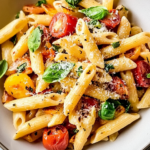
Pasta Primavera
Ingredients
- 12 ounces pasta penne or bucatini recommended
- 2 tablespoons extra-virgin olive oil
- 1 large shallot thinly sliced
- 1 large carrot cut into matchsticks
- 1 medium zucchini halved lengthwise and sliced into ¾-inch pieces
- 1 medium yellow squash halved lengthwise and sliced into ¾-inch pieces
- 6 tablespoons unsalted butter cut into pieces
- ¾ cup freshly grated Parmesan cheese plus more for serving
- ½ cup whole milk plus more as needed
- 1 teaspoon dried basil
- ½ teaspoon garlic powder
- ½ teaspoon sea salt
- ½ teaspoon freshly cracked black pepper
- ⅓ cup sun-dried tomatoes chopped
- 1½ cups cherry tomatoes halved
- Optional for serving: Chopped fresh basil or flat-leaf parsley crushed red pepper flakes
Instructions
- Bring a large pot of salted water to a boil. Cook the pasta until al dente according to package instructions. Drain and set aside.
- While the pasta cooks, heat 1 tablespoon of olive oil in a large skillet over medium-high heat. Add the shallot and carrots and sauté for about 5 minutes, until softened. Transfer to a plate.
- Add the remaining tablespoon of olive oil to the skillet. Arrange zucchini and squash in a single layer and cook for about 3 minutes per side, until golden brown. Transfer to the plate with the carrots and shallot.
- In the same skillet, melt the butter. Once melted, whisk in the Parmesan cheese, milk, dried basil, garlic powder, salt, and black pepper until the sauce is smooth.
- Stir in the sun-dried tomatoes and cherry tomatoes. Cook until just warmed through, then remove from heat.
- Add the drained pasta and cooked vegetables back into the skillet. Toss until everything is evenly coated in the sauce.
- Serve hot, topped with extra Parmesan, chopped fresh basil or parsley, and crushed red pepper flakes, if desired.